Understanding Follow-Up Scans After Cancer Treatment
After cancer treatment, your doctor may recommend a follow-up scan. This follow-up scan after cancer treatment helps check for any signs that the cancer has come back. It also looks for possible problems caused by treatment. These scans are an important part of your recovery plan.
Why Timely Follow-Up Scans Are Crucial
Scheduling your scan on time is very important. Early detection of cancer recurrence gives you the best chance for quick treatment. In addition, scans can find complications before they become serious. When you go for your scan as planned, you help your care team catch any changes early. This can make a big difference in your health.
Recommended Time Periods for Follow-Up Scans
Doctors usually follow a set cancer follow-up imaging schedule. However, the timing may depend on your cancer type and treatment. General guidelines often include:
Your doctor will tell you the best schedule for your situation. Always follow their advice for the best results.
Risks of Delaying or Missing Follow-Up Scans
Missing or delaying your scan can be risky. For example, cancer could return and grow before you notice symptoms. Also, some treatment side effects may not show right away. If you skip scans, these problems might get worse. Therefore, staying on schedule helps you avoid bigger health issues later.
How Follow-Up Scans Improve Outcomes and Peace of Mind
Timely scans help your doctor spot changes early. As a result, you may need less treatment if something is found soon. Early action often leads to better outcomes. Besides, knowing your results can give you peace of mind. Even if you feel fine, a scan can confirm that you are still healthy.
Practical Tips for Scheduling and Preparing for Your Scan
It can be easy to forget appointments. However, these tips can help you stay on track:
What to Expect During a Follow-Up Scan
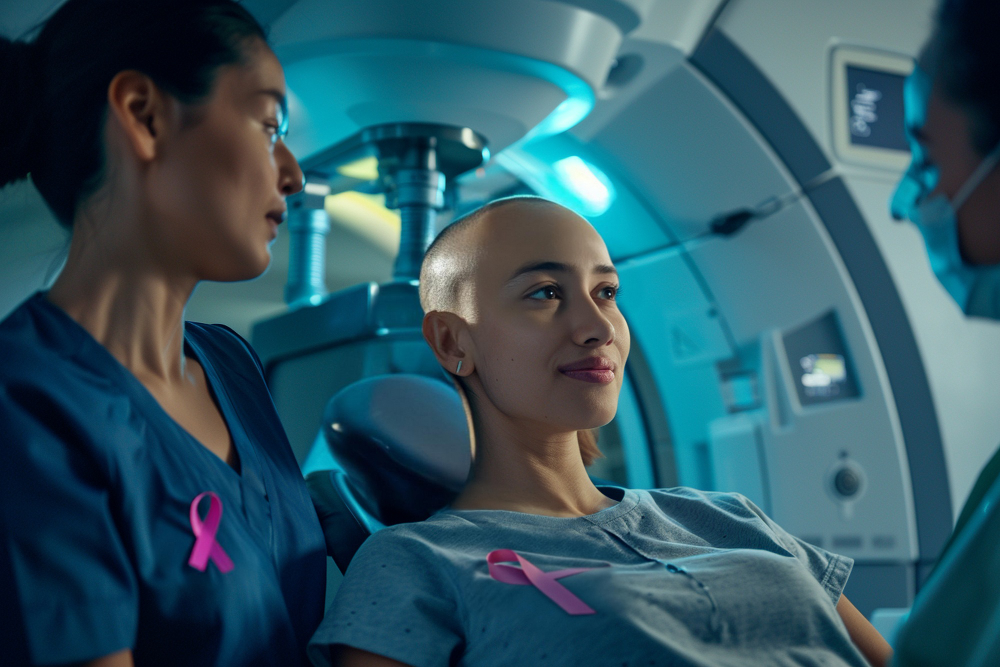
Most follow-up scans are simple and quick. For example, you may have a CT, MRI, or ultrasound. The staff will explain each step before they begin. Usually, you will lie still while the machine takes pictures. The scan is painless, but you may hear some noises. Afterward, your doctor will review the results and discuss them with you.
Frequently Asked Questions About Follow-Up Scans
Conclusion: Take Charge of Your Health
In summary, scheduling your follow-up scan after cancer treatment on time is key. Early detection of cancer recurrence or complications can save lives. Therefore, always follow your doctor’s advice and keep your appointments. Consult Dr P Sinha at Sri Balaji Diagnostics to schedule your follow-up scan and ensure the best possible outcome after cancer treatment.
Sources: Centers for Disease Control and Prevention (CDC), World Health Organization (WHO), American Cancer Society