Introduction: Understanding Ultrasound KUB and PVR
Ultrasound KUB (Kidneys, Ureters, and Bladder) and PVR (Post-Void Residual) are safe imaging tests. These scans help doctors see your kidneys, bladder, and the amount of urine left after you urinate. The benefits of ultrasound KUB and PVR include early detection, safety, and comfort. Many people choose these tests because they are non-invasive and provide quick results. In this blog, you will learn what these scans are, how they work, and why they matter for your health.
What Are Ultrasound KUB and PVR?
Ultrasound KUB is a scan that looks at your kidneys, ureters, and bladder. It uses sound waves to create pictures of these organs. PVR, or Post-Void Residual, measures how much urine stays in your bladder after you go to the bathroom. Together, these tests give doctors a clear view of your urinary system. They help find problems like blockages, stones, or infections. Because they use sound waves, there is no radiation involved.
How Are These Tests Performed?
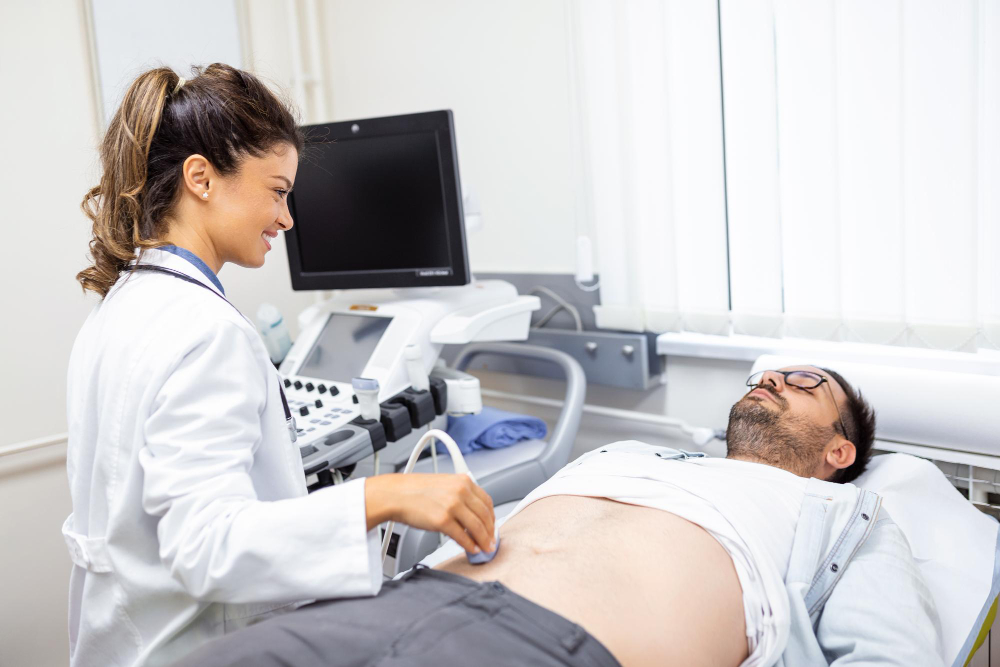
Both tests are simple and painless. First, you may be asked to drink water and hold your urine. This helps fill your bladder for a better view. Next, a gel is placed on your lower belly. Then, a small device called a probe moves over your skin. The probe sends sound waves into your body. These waves bounce back and create images on a screen. For PVR, you will be asked to empty your bladder, and then the scan is repeated to measure any leftover urine.
Main Benefits of Ultrasound KUB and PVR
According to the World Health Organization (WHO), ultrasound is a safe and effective way to check for kidney and bladder issues.
Common Reasons for Recommending These Scans
Doctors may suggest ultrasound KUB and PVR for several reasons. For example, if you have pain in your lower back or side, these tests can help find the cause. Other reasons include:
Because these scans are quick and safe, doctors often use them as a first step in diagnosis.
What to Expect During the Procedure
Before the scan, you may need to drink water to fill your bladder. This helps the doctor see your organs better. During the test, you will lie on a table. The gel may feel cool, but it does not hurt. The probe moves gently over your skin. The whole process usually takes less than 30 minutes. After the scan, you can return to your normal activities right away.
How Results Guide Treatment and Improve Health Outcomes
Once the scan is done, a radiologist reviews the images. The results help your doctor find the cause of your symptoms. For instance, if a stone or blockage is found, treatment can start quickly. Early detection often leads to better outcomes. In many cases, these scans help avoid more invasive tests. As a result, you get the care you need with less stress and risk.
Tips for Preparing for the Scan
Preparation is simple, but following these steps helps get the best results.
Prevention and Lifestyle Guidance for Urinary Health
Good habits can help keep your kidneys and bladder healthy. For example, drink enough water each day. Avoid holding your urine for long periods. Eat a balanced diet with fruits and vegetables. Limit salt and processed foods. If you notice changes in your urine or have pain, see a doctor early. Regular check-ups and healthy choices can prevent many urinary problems.
Conclusion
Ultrasound KUB and PVR offer many benefits. They are safe, accurate, and easy to perform. These scans help doctors find and treat urinary problems early. If you have symptoms or concerns, do not wait. Consult a radiologist or healthcare provider at Sri Balaji Diagnostics for personalized advice on ultrasound KUB and PVR.