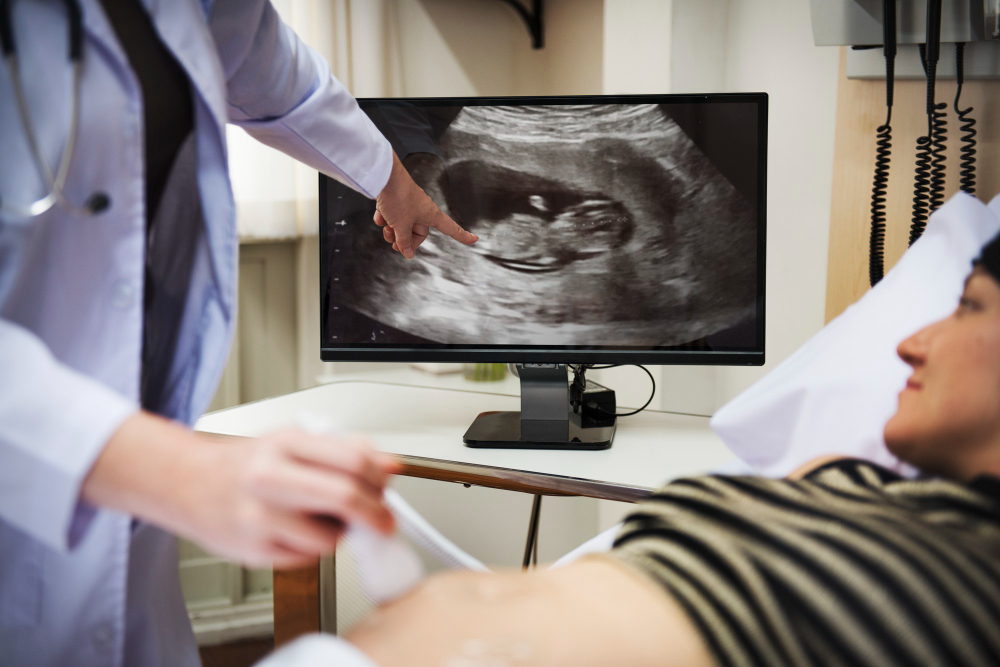
What is a Fetal Echo?
A fetal echo, also called a fetal echocardiogram, is a special ultrasound. It checks your baby’s heart before birth. Doctors use this test to see how the heart looks and works. Unlike a regular ultrasound, a fetal echo focuses only on the baby’s heart. This test helps find heart problems early, so your care team can plan ahead.
Why is a Fetal Echo Done?
Doctors may suggest a fetal echo for many reasons. Sometimes, a routine pregnancy scan shows something unusual. Other times, family history or certain health conditions raise concerns. Early detection can help guide treatment and support.
When is a Fetal Echo Recommended?
Usually, doctors recommend a fetal echo between 18 and 24 weeks of pregnancy. However, it may be done earlier or later if needed. The test is often suggested if:
In some cases, your doctor may suggest a fetal echo even if you have no risk factors. This helps ensure your baby’s heart is healthy.
How is a Fetal Echo Performed?
A fetal echo is safe and painless. It works much like a regular pregnancy ultrasound. First, you will lie down on an exam table. Next, a technician places a small amount of gel on your belly. Then, a device called a transducer moves over your skin. This sends sound waves to create pictures of your baby’s heart. The test usually takes 30 to 60 minutes.
What to Expect During the Procedure
Before the test, you do not need to fast or take special steps. During the fetal echo, you may feel a little pressure from the transducer. However, it should not hurt. You can see the images on a screen as the technician works. Sometimes, a doctor may join to look at the pictures in real time. After the test, you can return to your normal activities right away.
Understanding the Results
After the fetal echo, a specialist reviews the images. They look for any signs of heart defects or unusual blood flow. In many cases, the results show a healthy heart. If a problem is found, your doctor will explain what it means. You may need more tests or a care plan for your baby. Early knowledge helps you and your care team prepare for the best outcome.
Risks and Safety
Fetal echo is very safe for both mother and baby. It uses sound waves, not radiation. According to the CDC and WHO, there are no known risks from this test. You can feel confident that the procedure will not harm your baby.
Frequently Asked Questions
Tips for Expectant Parents
Above all, support from loved ones can help ease stress. If you feel anxious, share your feelings with your care team.
Conclusion and Next Steps
To sum up, a fetal echo is a safe and valuable test that provides detailed information about your baby’s heart before birth. At Sri Balaji Diagnostics, fetal echocardiography is carried out using advanced imaging to support early and accurate detection of heart conditions. When recommended, timely evaluation at Sri Balaji Diagnostics can make a meaningful difference in planning care and improving outcomes.
For personalised guidance on fetal echo, consult the qualified specialists at Sri Balaji Diagnostics.