Introduction
Fetal structural abnormality screening is an important part of pregnancy care. This test helps doctors check your baby’s growth and spot any problems early. For expectant parents, knowing about this screening can ease worries and help you make informed choices. Early detection of birth defects can lead to better care and planning. In this guide, you will learn what fetal structural abnormality screening is, why it matters, and what to expect during the process.
What is Fetal Structural Abnormality Screening?
Fetal structural abnormality screening is a special test done during pregnancy. It uses a prenatal ultrasound to look at your baby’s organs and body parts. The goal is to find any birth defects or unusual growth patterns. Doctors often call this test an “anomaly scan” or “mid-pregnancy scan.” It is safe, painless, and does not harm the baby. This screening helps doctors see if your baby’s heart, brain, spine, and other organs are developing well.
Why is Screening Important?
Screening is important because it helps detect birth defects early. Early detection gives parents and doctors more time to plan care. Sometimes, problems found on the scan can be treated before or after birth. In other cases, knowing about a condition early helps families prepare for special needs. According to the World Health Organization (WHO), early screening can improve health outcomes for both mother and baby. Therefore, most doctors recommend this test for all pregnant women.
When and How is the Screening Done?
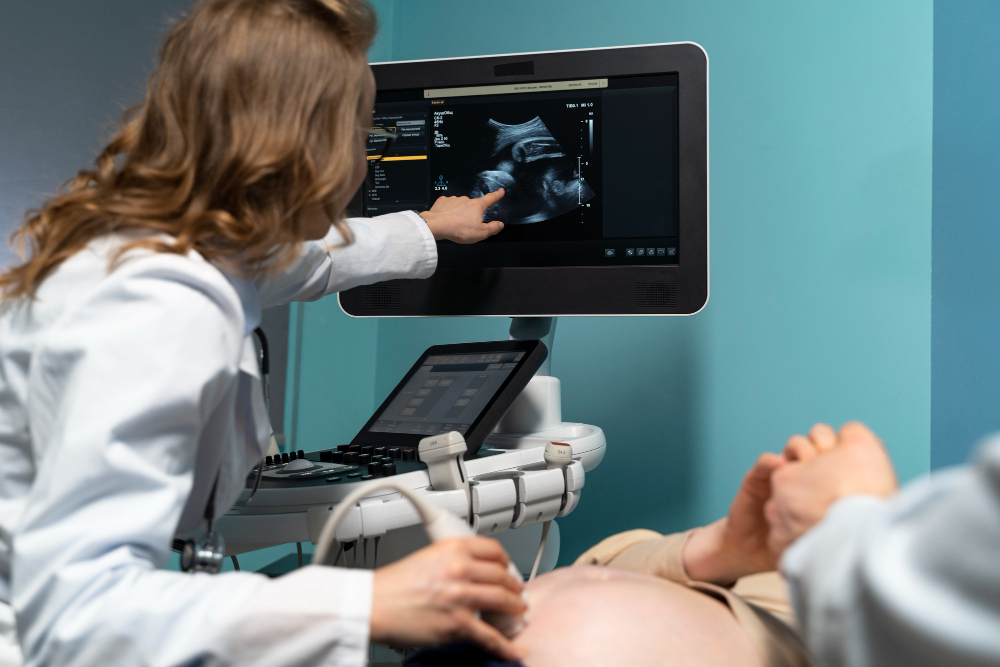
Usually, fetal structural abnormality screening happens between 18 and 22 weeks of pregnancy. At this stage, your baby’s organs are big enough to see clearly. The test is done using a prenatal ultrasound. During the scan, a technician moves a small device over your belly. This device sends sound waves to create pictures of your baby. The process takes about 20 to 40 minutes. You do not need to do much to prepare, but sometimes a full bladder helps get better images.
Common Types of Structural Abnormalities Detected
This screening can find many types of birth defects. Some common abnormalities include:
However, not all problems can be seen on an ultrasound. Some may only show up after birth.
What to Expect During the Screening
During the screening, you will lie on an exam table. The technician will put a cool gel on your belly. Then, they will move the ultrasound device over your skin. You may see your baby’s image on a screen. The scan does not hurt, but you may feel slight pressure. Sometimes, the technician may ask you to change positions for better pictures. After the scan, you can wipe off the gel and go about your day.
Understanding the Results
After the screening, a doctor reviews the images. If everything looks normal, you will get a report saying so. If the doctor sees something unusual, they will explain what it means. Sometimes, more tests are needed to confirm a problem. For example, you may need another ultrasound or a blood test. Remember, not all findings mean your baby has a serious issue. Some changes are minor and may not affect your baby’s health.
Next Steps After Screening
If the screening finds a possible problem, your doctor will guide you on what to do next. You may be referred to a specialist for more tests. In some cases, you might meet with a genetic counselor. They can help you understand the results and your options. Early support can help you make the best choices for your family. If the screening is normal, you will continue with regular pregnancy care.
Prevention and Lifestyle Guidance for Expectant Parents
While not all birth defects can be prevented, healthy habits can lower risks. Here are some tips for expectant parents:
Staying healthy during pregnancy supports your baby’s growth and development.
Frequently Asked Questions
Conclusion
Fetal structural abnormality screening is a key part of pregnancy care. It helps detect birth defects early and supports healthy outcomes. If you have questions or concerns, consult a specialist at Sri Balaji Diagnostics for personalized guidance.