What Is a Follicular Study?
A follicular study is a special ultrasound test. It helps doctors track the growth of egg sacs, called follicles, in a woman’s ovaries. These follicles hold the eggs. During each menstrual cycle, one follicle usually grows larger than the others. This one releases an egg during ovulation. Because timing is important for pregnancy, a follicular study can help couples plan for the best chance of conception. Many fertility clinics use this test to guide treatments and advice.
How Does Ultrasound Track Ovulation?
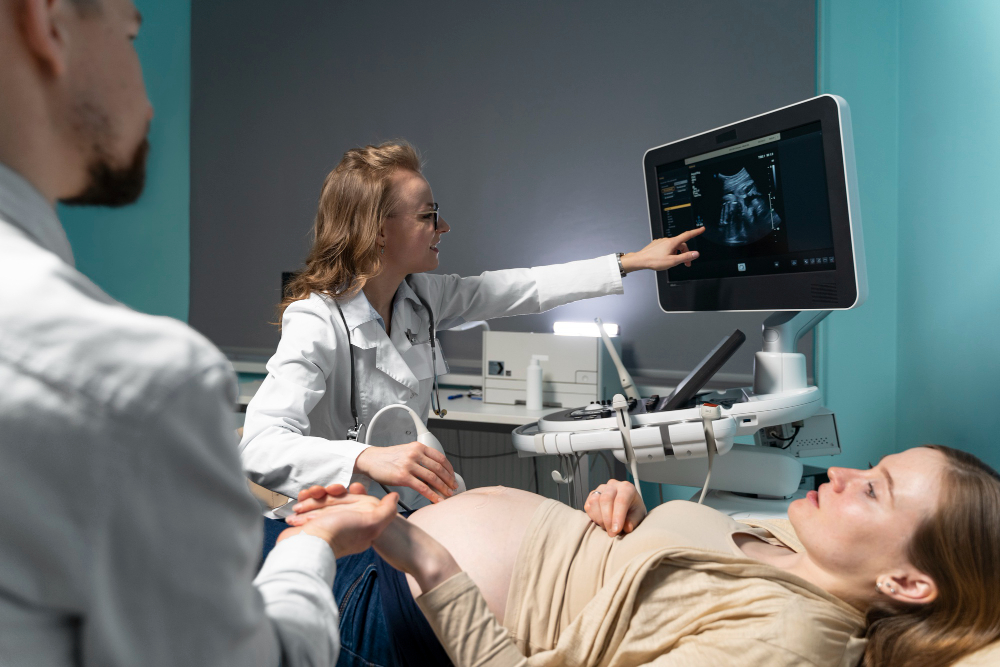
Doctors use a safe and painless ultrasound scan to watch the ovaries. First, a small device called a probe sends sound waves into the body. Then, these waves create pictures of the ovaries and follicles. As the days pass, doctors can see which follicle is growing. When the follicle reaches a certain size, ovulation is near. In fact, this method is more accurate than tracking ovulation at home. Because of this, many people rely on ultrasound for fertility planning.
Why Is Follicular Study Important for Fertility Planning?
Timing is key when trying to get pregnant. A follicular study helps find the exact days when a woman is most fertile. This way, couples can plan intercourse or fertility treatments at the right time. Additionally, doctors can see if ovulation is happening as expected. If not, they can suggest other options. According to the World Health Organization (WHO), knowing your ovulation window can improve the chances of conception. Therefore, follicular study is a helpful tool for many families.
Step-by-Step Process of a Follicular Study
Usually, the process starts early in the menstrual cycle. Here is what happens:
Because each woman is different, the number of scans may vary. However, most women need two to five scans per cycle.
What to Expect During the Procedure
Most follicular studies use a transvaginal ultrasound. For this, a doctor gently places a thin probe into the vagina. Although this may feel a bit uncomfortable, it should not hurt. The scan takes about 10 to 15 minutes. You do not need anesthesia. In fact, you can return to normal activities right after. Sometimes, a full bladder is needed for the first scan. Your doctor will give you clear instructions before each visit. Because the test is safe, it can be repeated as needed.
Benefits and Limitations of Follicular Study
There are many reasons to choose a follicular study for ovulation tracking. Some benefits include:
However, there are some limits:
Even so, most experts agree that follicular study is a valuable part of fertility planning.
Frequently Asked Questions About Follicular Study
If you have more questions about follicular study or ovulation tracking, consult Dr. P Sinha.