What Is a Placental Localization Scan?
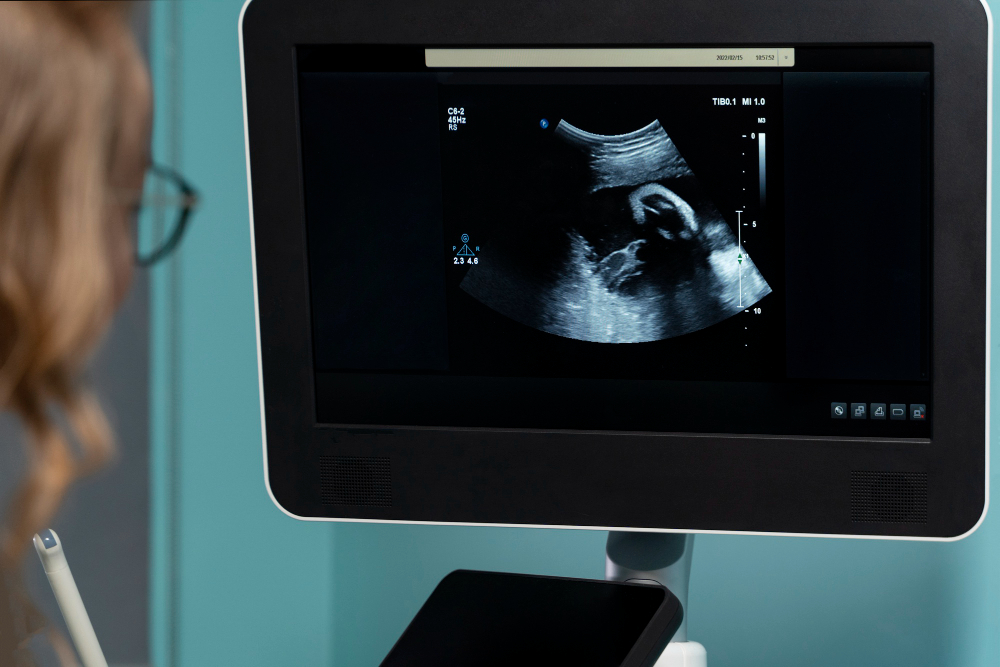
A placental localization scan is a special ultrasound used during pregnancy. It helps doctors find the exact position of the placenta in the womb. This scan is important for checking if the placenta is in a safe spot for both mother and baby. Many people call it an “ultrasound for placenta position” or a “pregnancy scan for placenta.” Usually, doctors recommend this scan during the second or third trimester. For example, if you have a scan in your city, it may be called a “placental localization scan in [City/Region].”
Why Is a Placental Localization Scan Important?
This scan gives doctors key information about your pregnancy. The placenta provides oxygen and nutrients to your baby. However, if it is too low or covers the cervix, it can cause problems. Additionally, knowing the placenta’s location helps plan a safe delivery. Here are some reasons why doctors order this scan:
According to the World Health Organization (WHO), regular scans help spot issues early and improve outcomes for mothers and babies.
How Is the Scan Performed?
The placental localization scan procedure is simple and painless. Most often, it is done with a standard ultrasound machine. Here is how the process usually works:
Sometimes, if the placenta is hard to see, a vaginal ultrasound may be needed. However, this is safe and only takes a few extra minutes.
What to Expect During the Procedure
Most women feel comfortable during the scan. The gel may feel cold, but the scan does not hurt. Additionally, you do not need to fast or take any special steps before the scan. However, your doctor may ask you to come with a full bladder for better images. The whole procedure usually takes about 20 to 30 minutes. After the scan, you can return to your normal activities right away.
Interpreting the Results
After the scan, your doctor will explain the results. Here is what they may tell you:
If the placenta is low, your doctor may suggest more scans later. Often, the placenta moves up as the uterus grows. In summary, most women with a low-lying placenta early in pregnancy have no problems by the time of delivery.
Safety and Risks
Placental localization scans are very safe. Ultrasound uses sound waves, not radiation. According to the Centers for Disease Control and Prevention (CDC), there are no known risks to mother or baby. Additionally, the scan does not cause pain or harm. However, it is important to have scans only when needed and by trained professionals. This ensures the best care for you and your baby.
Frequently Asked Questions
Conclusion and Next Steps
In summary, a placental localisation scan is a simple and safe ultrasound test used to check the position of the placenta during pregnancy. At Sri Balaji Diagnostics, this scan helps doctors plan for a safer delivery and identify potential concerns early. Timely evaluation at Sri Balaji Diagnostics supports better pregnancy monitoring and informed clinical decisions.
If you have questions or concerns about a placental localisation scan, consult your healthcare provider or visit Sri Balaji Diagnostics for personalised guidance.