Introduction
Sonomammography, also called breast ultrasound, is a non-invasive test that uses sound waves to create images of breast tissue. This safe and painless method helps doctors check for lumps, cysts, or other changes in the breast. Many women choose sonomammography for breast health screening, especially when mammography is not suitable. In fact, non-invasive breast imaging is growing in popularity for early detection and peace of mind. If you are searching for “breast ultrasound screening” or “sonomammography in your city,” this guide will help you understand what to expect.
What is Sonomammography?
Sonomammography is a special type of ultrasound focused on the breast. It uses high-frequency sound waves to make pictures of the inside of the breast. Unlike X-rays, it does not use radiation. Therefore, it is safe for most people, including pregnant women. Doctors use sonomammography to look for lumps, cysts, or other changes that may not be felt during a physical exam.
How Does Sonomammography Work?
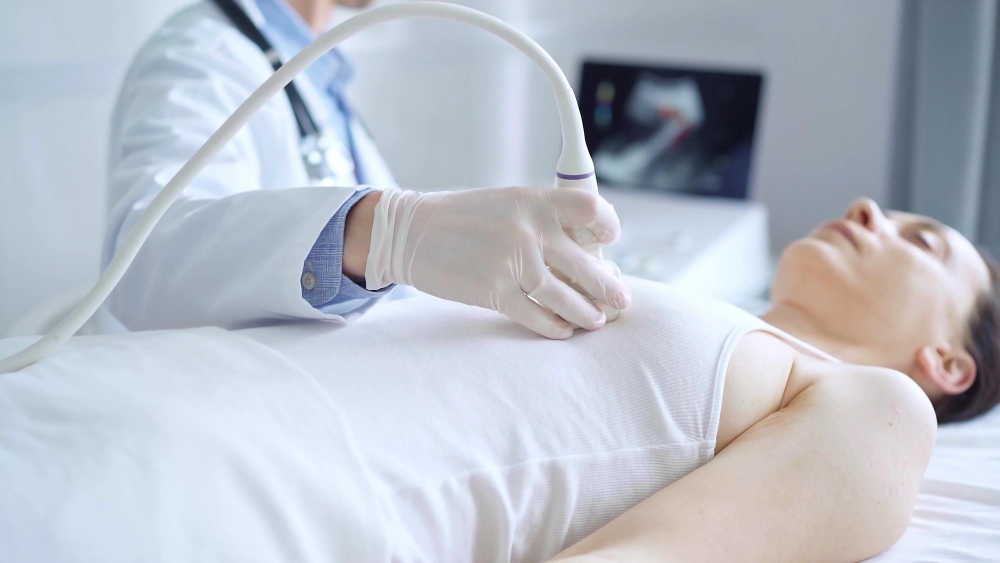
During sonomammography, a small device called a transducer is moved over the skin of the breast. This device sends sound waves into the breast tissue. The waves bounce back and create images on a screen. As a result, doctors can see inside the breast without surgery or pain. The test usually takes about 15 to 30 minutes.
Indications: Who Should Get a Breast Ultrasound?
Not everyone needs sonomammography. However, doctors may recommend it for:
Sometimes, sonomammography is used along with mammography for a clearer picture.
Benefits of Sonomammography
Sonomammography offers many advantages. For example, it is:
Because of these benefits, many doctors use sonomammography as part of breast health care.
What to Expect During the Procedure
Before the test, you may be asked to remove clothing from the waist up and wear a gown. Next, the technician will apply a clear gel to your breast. This gel helps the sound waves travel better. Then, the transducer is gently moved over the skin. You may feel slight pressure, but it should not hurt. After the test, you can wipe off the gel and get dressed. There is no recovery time needed, so you can return to your normal activities right away.
Limitations and Risks
While sonomammography is very safe, it does have some limits. For instance, it may not find very small tumors that mammography can detect. Also, it cannot show tiny calcium spots (microcalcifications) linked to early cancer. Sometimes, the test may show harmless lumps that lead to more tests. However, there are no known risks from the sound waves used in this test.
Sonomammography vs. Mammography
Both sonomammography and mammography help check breast health, but they work differently. Mammography uses low-dose X-rays to find changes in the breast. Sonomammography uses sound waves and does not involve radiation. Here are some key differences:
Often, doctors use both tests together for the best results.
Prevention and Breast Health Tips
Keeping your breasts healthy is important at any age. Here are some simple tips:
Early detection can make a big difference. Therefore, talk to your doctor about the best screening plan for you.
Conclusion
Sonomammography is a safe, non-invasive way to check breast health. It is helpful for many women, especially those with dense breasts or during pregnancy. If you have concerns or need breast imaging, consult Dr P Sinha at Sri Balaji Diagnostics to learn if sonomammography is right for you.
Sources: Centers for Disease Control and Prevention (CDC), World Health Organization (WHO), American Cancer Society